Marine Rubber Components and Seals
Manufacturing Support for Marine Applications
CRYSTAL manufactures rubber fenders, seals, gaskets, cushioning components, and custom parts for marine and shipyard applications. Each component is reviewed against its dimensions, mounting arrangement, loads, and environmental exposure.
Request a QuotationExplore Custom Manufacturing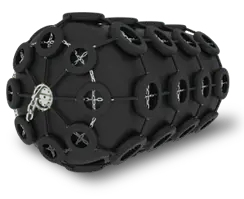
Components for Vessels and Shore Facilities
Support new-build, maintenance, and replacement requirements with components developed from drawings or samples. Material and design selection should reflect seawater exposure, contact media, temperature, movement, and the duty of the part.
Rubber Fenders and Protective Profiles
Fenders and profiles for selected contact and impact protection applications. Provide the profile, fixing details, operating geometry, and required performance data for engineering review.
Marine Seals and Gaskets
Custom sealing parts for covers, housings, and selected pipe or equipment connections. Confirm the seal geometry, compression, surface condition, medium, and temperature range.
Cushioning and Vibration Components
Rubber and rubber-to-metal components for selected marine equipment support applications. Review static and dynamic loads, displacement, vibration frequency, and mounting constraints.
Custom Marine Rubber Parts
Develop replacement profiles and molded parts to your drawings or samples. Define the critical dimensions, tolerances, material requirements, quantities, and inspection criteria.
Support for Marine Projects
Shipbuilding and Repair
Review component fit, installation access, exposure, and project specifications for new-build and repair work.
Ports and Shore Facilities
Define the contact conditions, mounting arrangement, loads, and required documentation for the proposed rubber component.
Marine Equipment Maintenance
Use drawings or samples to assess replacement seals, protective profiles, and support components against current operating conditions.
Information for Technical Review
Share drawings or samples, mounting details, dimensions, loads or impact requirements, contact media, temperature range, exposure conditions, and quantity. Identify any class, project, testing, or documentation requirements before quotation.
Frequently Asked Questions
How is a marine fender selected?
Selection depends on the intended contact conditions, geometry, mounting, and required energy absorption and reaction performance. These requirements must be reviewed for the specific installation; dimensions alone are not sufficient.
Can you reproduce a damaged seal or profile?
A drawing or representative sample can support reverse engineering. Provide the original function and operating conditions, because wear or deformation may change the dimensions of the used part.
Are marine approvals included with every part?
Approvals and test documentation depend on the component and project requirements. State the applicable requirements in your enquiry so their scope and availability can be confirmed before manufacture.
Discuss Your Marine Component
Send your drawings and service conditions for a manufacturing review. Our team will help define the design, material, inspection, and quotation requirements.
Talk to Technical Support